Monthly Furnished Apartments in Dubai: What to Expect
Moving to Dubai for a new role usually comes with a long list of decisions, and housing tends to sit at the top. You may not know yet which area suits your commute, how long your project will last, or whether the company relocation package covers the full period. At 2ndhome, we hear these questions every week, and most of them lead to the same option: renting a home on a monthly basis. Our monthly furnished apartments in Dubai are set up for exactly this situation, and this guide explains what you can realistically expect before you book one.
We have written it from our own experience of managing these homes, so you will find plain answers rather than a sales pitch.
What a Monthly Furnished Apartment Actually Is
A monthly furnished apartment is a fully equipped home that you rent for roughly 30 days at a time, with the option to extend. It sits between a hotel room and a standard yearly tenancy. You get the space and kitchen of a proper apartment, but without the paperwork, furniture shopping, and utility setup that come with an unfurnished unit.
Many of these homes operate as a serviced apartment. That means the property is maintained to a set standard, with scheduled cleaning, maintenance support, and a team you can contact when something needs attention. The level of service differs from building to building, so it is worth asking what is covered before you commit.
For relocating professionals, the appeal is usually simple. You can arrive with two suitcases, start work on Monday, and take your time choosing a longer-term home once you know the city.
What Is Usually Included in the Apartment
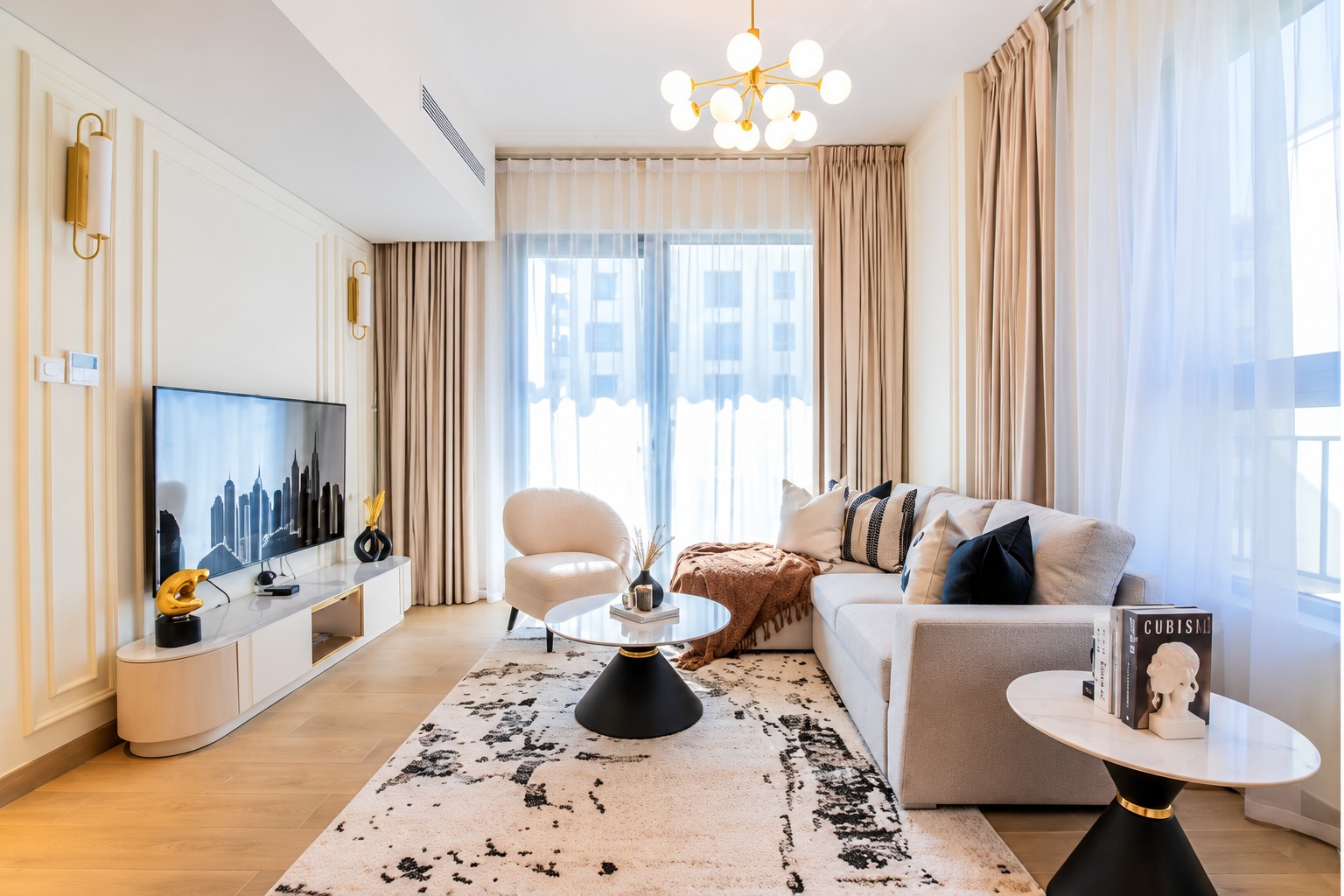
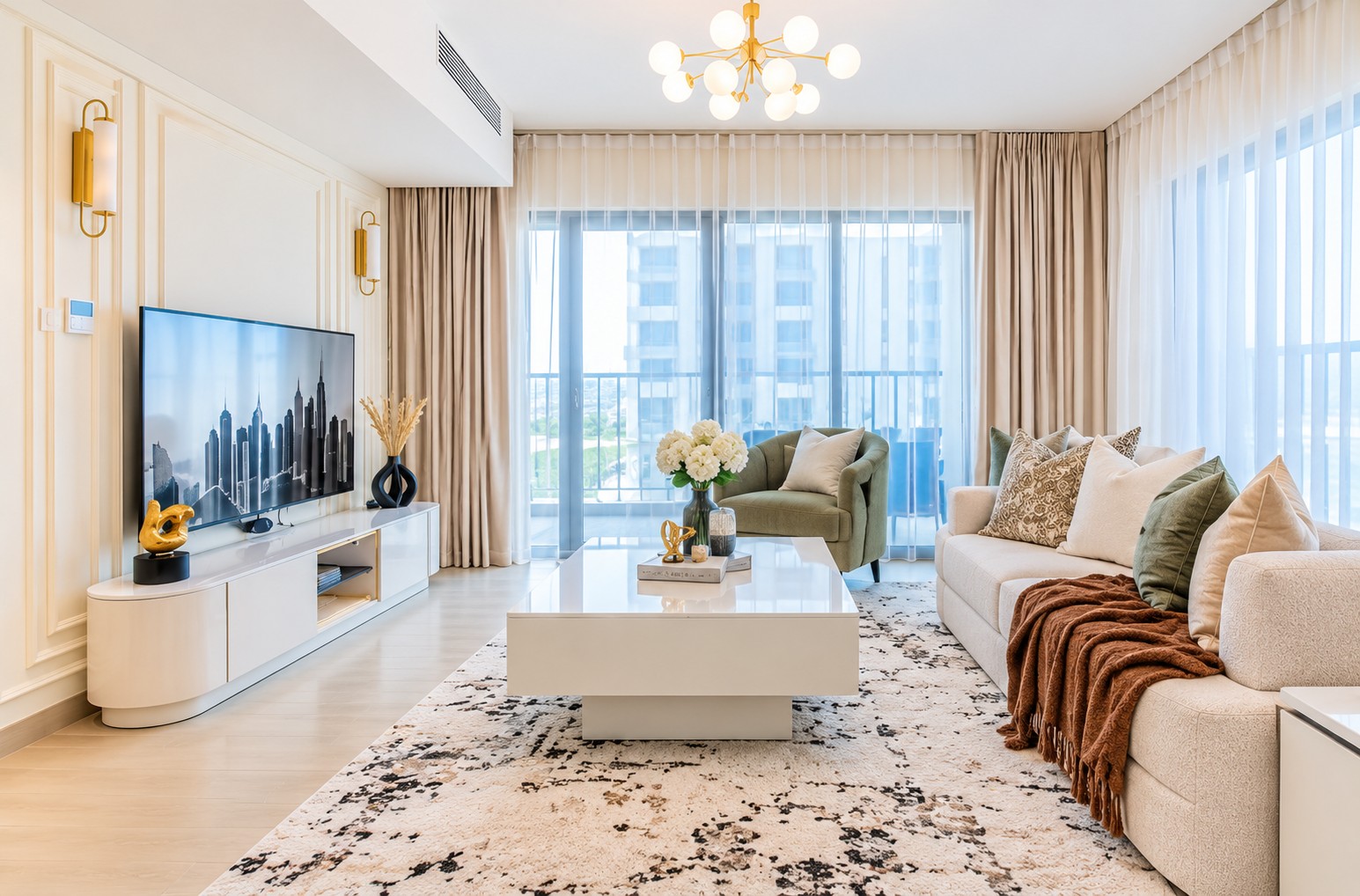
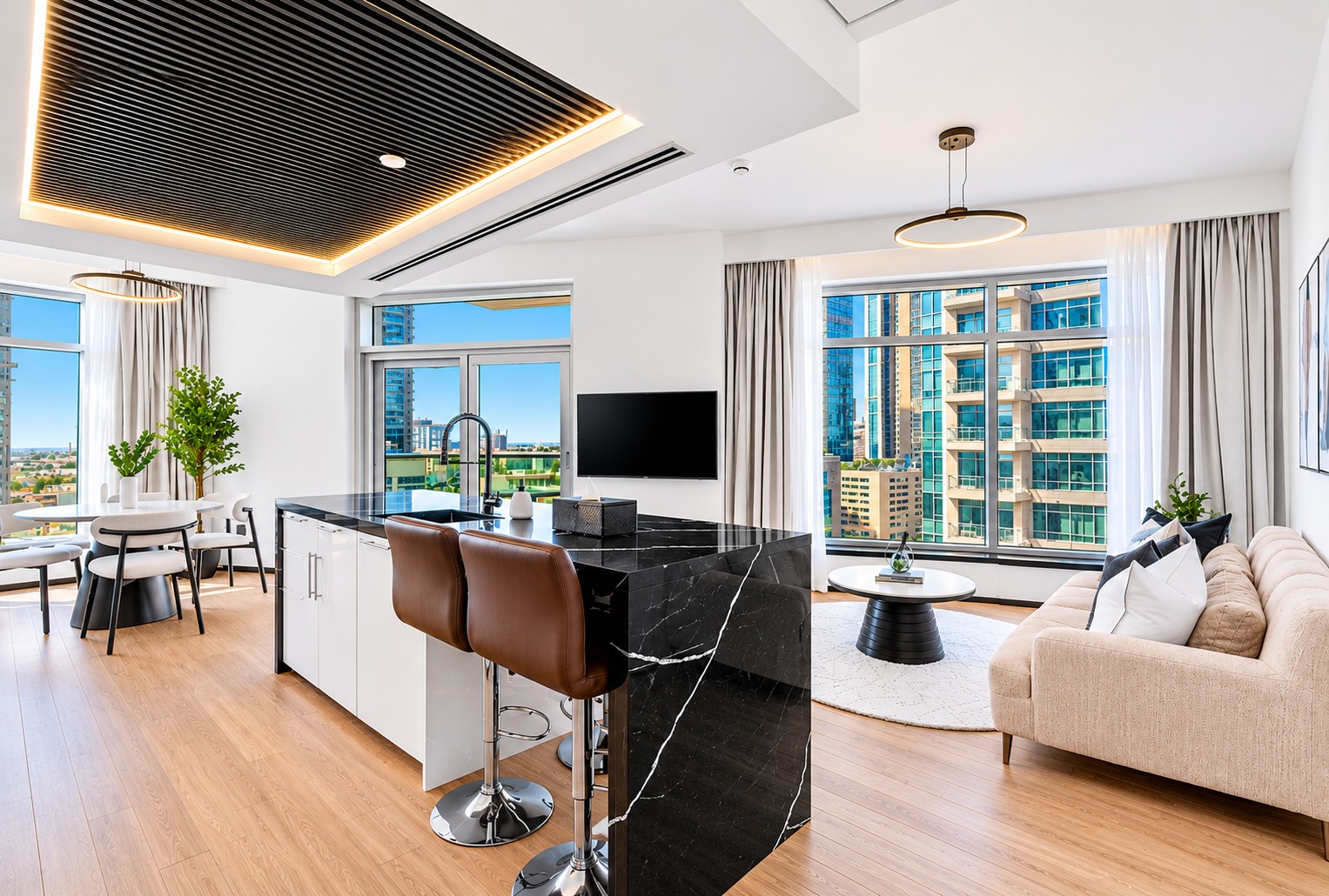
The inventory changes from one property to another, but most of our homes follow a similar baseline. Here is what you can generally expect to find on arrival:
- Bed linen, towels and basic bathroom supplies
- A fitted kitchen with a fridge, oven, hob, kettle, toaster and cookware
- A washing machine, and in many units a dryer
- A television, a sofa, a dining table and a working desk or desk space
- Air conditioning that works in every main room
- High-speed WiFi already connected and ready to use
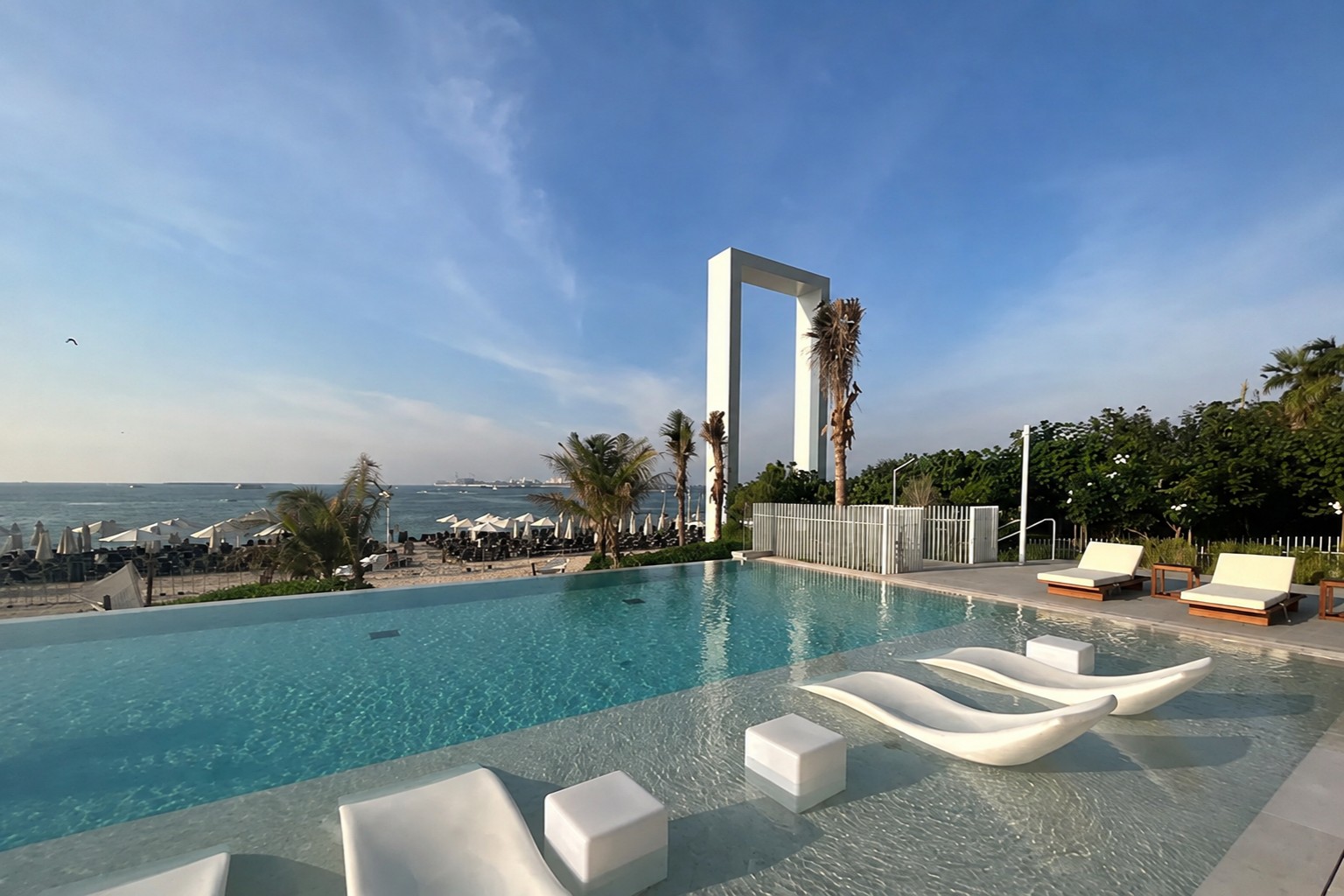
- Building amenities such as a gym, pool, covered parking and 24-hour security
A useful habit is to compare this list with your own routine. If you work from home three days a week, a proper desk and chair matter more than a second television. If you cook often, check the kitchen equipment rather than assuming it is complete.
Utilities Included: How It Works in Practice
One of the biggest differences between a monthly stay and a yearly lease is how utilities are handled. In a standard tenancy, you open an account with the Dubai Electricity and Water Authority, pay a refundable deposit, and receive bills that rise sharply in summer because of cooling. On a monthly stay, utilities included means those costs are bundled into the rent you pay.
For most guests, this covers:
- Electricity and water
- District cooling or air conditioning charges
- Internet connection
- Sometimes a fair use cap on consumption
It is worth knowing how the system behind it works. DEWA is the provider that supplies electricity and water across Dubai, and household bills normally combine consumption charges with fees linked to housing size. When a landlord or operator covers these on your behalf, you avoid the setup process and the surprise of a high August bill.
Two questions are worth asking before you sign. First, is there a monthly usage limit, and what happens if you go over it? Second, are internet and cooling charges part of the rent, or billed separately? Clear answers on both prevent awkward conversations later.
Flexible Lease Terms: What That Means for You
A flexible lease is the main reason many professionals choose this route. Instead of committing to twelve months, you agree to a shorter period, often one to three months, and extend if your plans change.
This suits several common situations:
- A project assignment with an end date that may move
- A probation period where you want to be sure about the role
- A family relocating in stages, with a home search still underway
- A gap between leaving one home and moving into another
It also helps to understand the regulatory background. The Dubai Land Department oversees property registration and tenancy rules in the emirate, and long-term residential contracts are typically registered through its Ejari system. Short and monthly stays follow a different arrangement from a yearly contract, so the documents you receive, the notice period, and the deposit terms will look different. Always ask for the terms in writing and read them before paying.
A flexible lease also tends to carry a higher monthly rate than a yearly tenancy of the same size. You are paying for the freedom to leave early, and that trade is reasonable as long as you know it is there.
What to Budget For
Prices vary by neighbourhood, building age, apartment size and season, so we avoid quoting a single figure. Instead, these are the cost items worth listing when you compare options:
- The monthly rent, and whether it is quoted for a full 30 days or a calendar month
- A refundable security deposit, which is held until you check out
- Any one-off cleaning or administration fee
- Utility charges, if they are not part of the rent
- Parking, if a space is not allocated to your unit
- Extra cleaning visits beyond the standard schedule
Ask for a written breakdown that covers all six. Two apartments that look similar on a listing can differ by several hundred dirhams a month once these items are added up.
Choosing a Neighbourhood That Fits Your Routine
Dubai is spread out, and traffic on Sheikh Zayed Road or Al Khail Road can add a surprising amount of time to a working day. Before you think about views or finishes, think about where you will spend your weekdays.
These are the areas our guests ask about most often:
- Business Bay and Downtown: close to many corporate offices, with the Metro nearby and plenty of restaurants within walking distance.
- Dubai Marina and Jumeirah Lake Towers: popular with people who want a social neighbourhood, access to the tram and the beach, and a good choice for those working around Media City or Internet City.
- DIFC and City Walk: suited to finance, legal and consulting professionals who prefer a short commute.
- Dubai Hills and Al Barsha: quieter, family-friendly areas with larger layouts and easier parking.
If you are still learning the city, shorter commutes usually matter more than a bigger balcony. A month of daily travel across town can wear you down faster than a smaller living room ever will.
A Short Checklist Before You Commit
In our experience, most problems with furnished rentals can be avoided with a few questions asked early. Before you pay a deposit, work through this list:
- Confirm the exact apartment you will receive, not a similar one.
- Ask for the minimum stay and the notice needed to extend or leave.
- Check which utilities are covered and whether any cap applies.
- Request an inventory of furniture and appliances.
- Find out how maintenance requests are raised and how quickly they are handled.
- Confirm the cleaning schedule and whether fresh linen is included.
- Ask how the deposit is returned and how long it takes.
- Keep a copy of the signed agreement and payment receipts.
Once you have clear answers, you can compare your options calmly by browsing all current listings and shortlisting by area and budget.
Your First Week in the Apartment
A good arrival makes a long difference to how the whole stay feels. When you walk in, take a few minutes to test the air conditioning, the hot water, the WiFi, and the appliances. Photograph any marks or damage and send them to the property team the same day, so the condition is recorded from the start.
It also helps to learn the building basics early. Find out where the bins, parking entrance, and gym are, how to book the pool or any shared facility, and which number to call for maintenance. If you are working remotely, test the internet speed during a video call rather than relying on the advertised figure.
How We Approach Monthly Stays
We manage our homes with a simple principle: tell people what they are getting and keep it consistent. Each apartment is furnished to a similar standard, cleaned before arrival and checked for working appliances, so the home you see described is the home you walk into.
Beyond the apartment itself, we also help with practical questions that come with moving, such as extending a stay, switching units, or planning a longer period. You can see how this works across our services, and we are always happy to explain which arrangement suits a particular timeline.
Planning Your Move With Confidence
Monthly furnished apartments in Dubai give relocating professionals room to settle before making a bigger housing commitment. When you know what is included, how utilities are handled, and what a flexible lease allows, the decision becomes much easier to make.
If you would like to know more about who we are, you can read about 2ndhome and our team. If you already have dates in mind, reach out to our team, and we will go through the available apartments with you.
Frequently Asked Questions
1. What is the minimum stay for a monthly furnished apartment in Dubai?
Most monthly rentals start at around 30 days, though some operators allow slightly shorter or longer minimums. We recommend confirming the minimum stay and the notice period for leaving in writing before you pay.
2. Are utilities included in the monthly rent?
In many cases, yes. Electricity, water, cooling, and internet are often bundled into the rent, sometimes with a fair use limit. Always ask for the inclusions in writing so you know whether any charges are billed separately.
3. Is a serviced apartment the same as a hotel?
No. A serviced apartment gives you a full kitchen, separate living space, and more room than a hotel, along with housekeeping and maintenance support. A hotel focuses on nightly stays and daily services, while a serviced apartment is designed for longer periods.
4. Can I extend my stay if my plans change?
Usually you can, subject to availability. The simplest approach is to tell the property team as early as possible, ideally two weeks before your current period ends, so the extension can be confirmed without needing to change apartments.
5. Do I need a security deposit for a monthly stay?
Most operators ask for a refundable security deposit, which is returned after checkout once the apartment has been inspected. The amount and the return timeline differ between providers, so check both before signing.